
Plumbing inspections are a crucial component of home maintenance, often overlooked until problems arise. These assessments not only help identify existing issues but also prevent future plumbing disasters that can lead to costly repairs and extensive damage. Regular inspections can provide homeowners with peace of mind, ensuring that their plumbing systems operate efficiently and effectively, while adhering to local building codes and regulations.
In this article, we will explore the key aspects of plumbing inspections, including what to expect during the process, common issues that inspectors look for, and the benefits of scheduling routine assessments. Whether you are a new homeowner or a seasoned property manager, understanding the importance of plumbing inspections can save you time, money, and stress in the long run.
What to Expect During a Plumbing Inspection
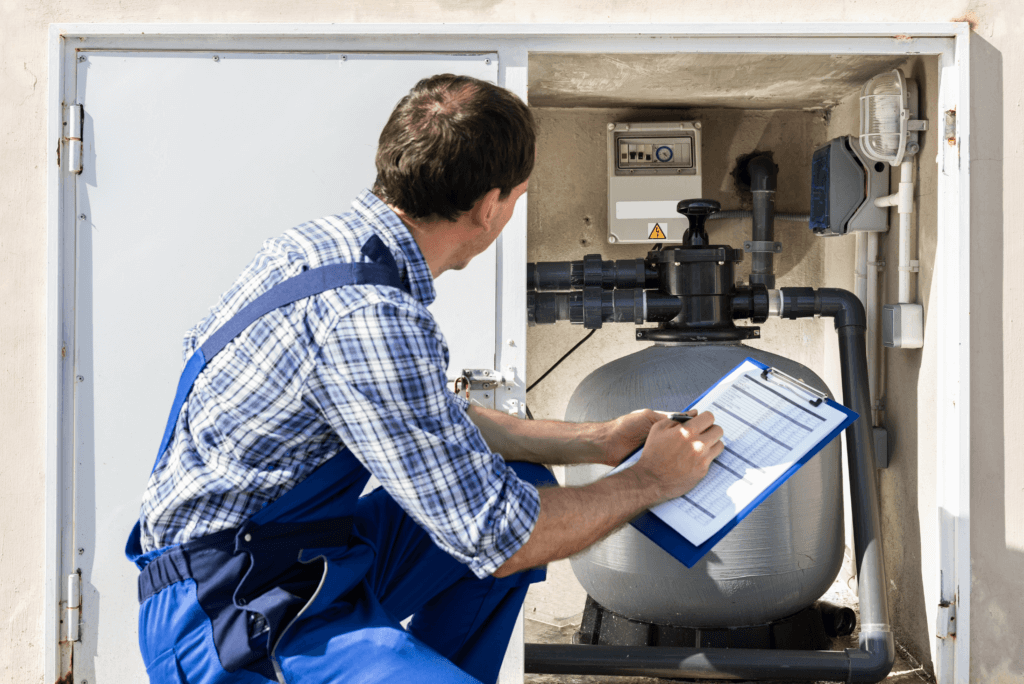
During a plumbing inspection, a certified technician will conduct a thorough evaluation of your home’s plumbing system, including pipes, fixtures, and appliances. The inspector will check for leaks, corrosion, and signs of damage, as well as ensure that all systems are functioning correctly and adhere to safety standards. Homeowners can expect the inspection to cover areas like water heaters, sump pumps, and toilets. Additionally, the inspector may use specialized tools such as cameras for examining pipes that are not easily accessible. For those looking to gain further insights into the importance of plumbing inspections, visiting this website offers valuable information.
Common Plumbing Problems Identified
Common issues identified during inspections can range from minor concerns, like slow drains, to more significant problems such as leaks and pipe blockages. Inspectors often look for outdated plumbing materials, like lead or polybutylene pipes, which can pose health risks or lead to future complications. They may also provide guidance on preventing clogs and ensuring proper drainage. By addressing these issues during the inspection, homeowners can avoid costly repairs and extend the life of their plumbing systems, ultimately contributing to a more efficient home. Regular assessments ensure early detection, offering a proactive approach to home maintenance.
In conclusion, scheduling regular plumbing inspections is an essential practice for maintaining a safe and efficient home environment. By proactively identifying and addressing potential issues, homeowners can prevent minor problems from escalating into major, costly repairs. A thorough inspection not only safeguards the integrity of plumbing systems but also ensures compliance with safety regulations, providing peace of mind to property owners. Ultimately, investing in routine plumbing inspections translates into long-term savings and enhances the overall functionality of a home, making it a wise choice for anyone looking to protect their investment and enjoy a hassle-free living experience.